Central Asia
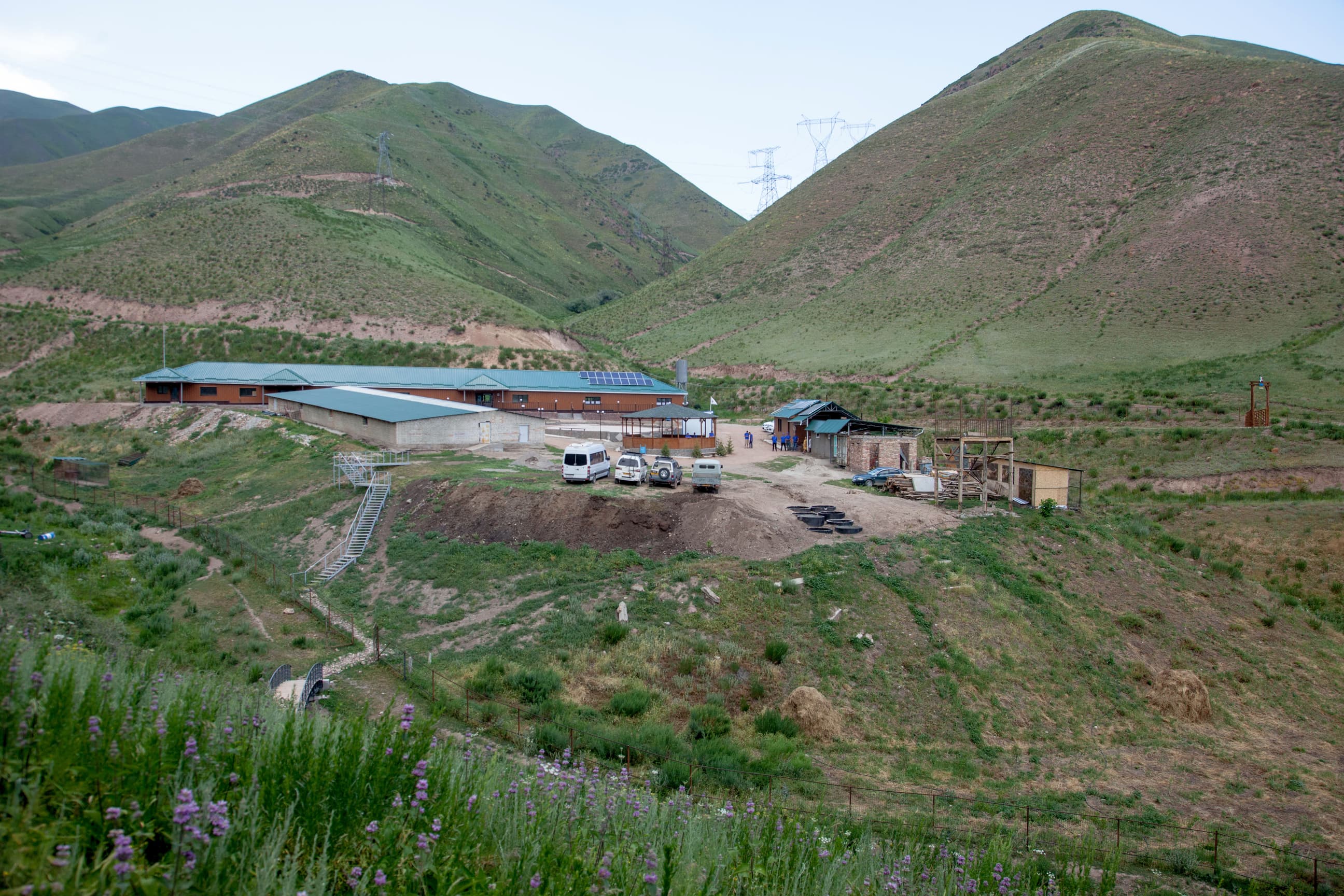
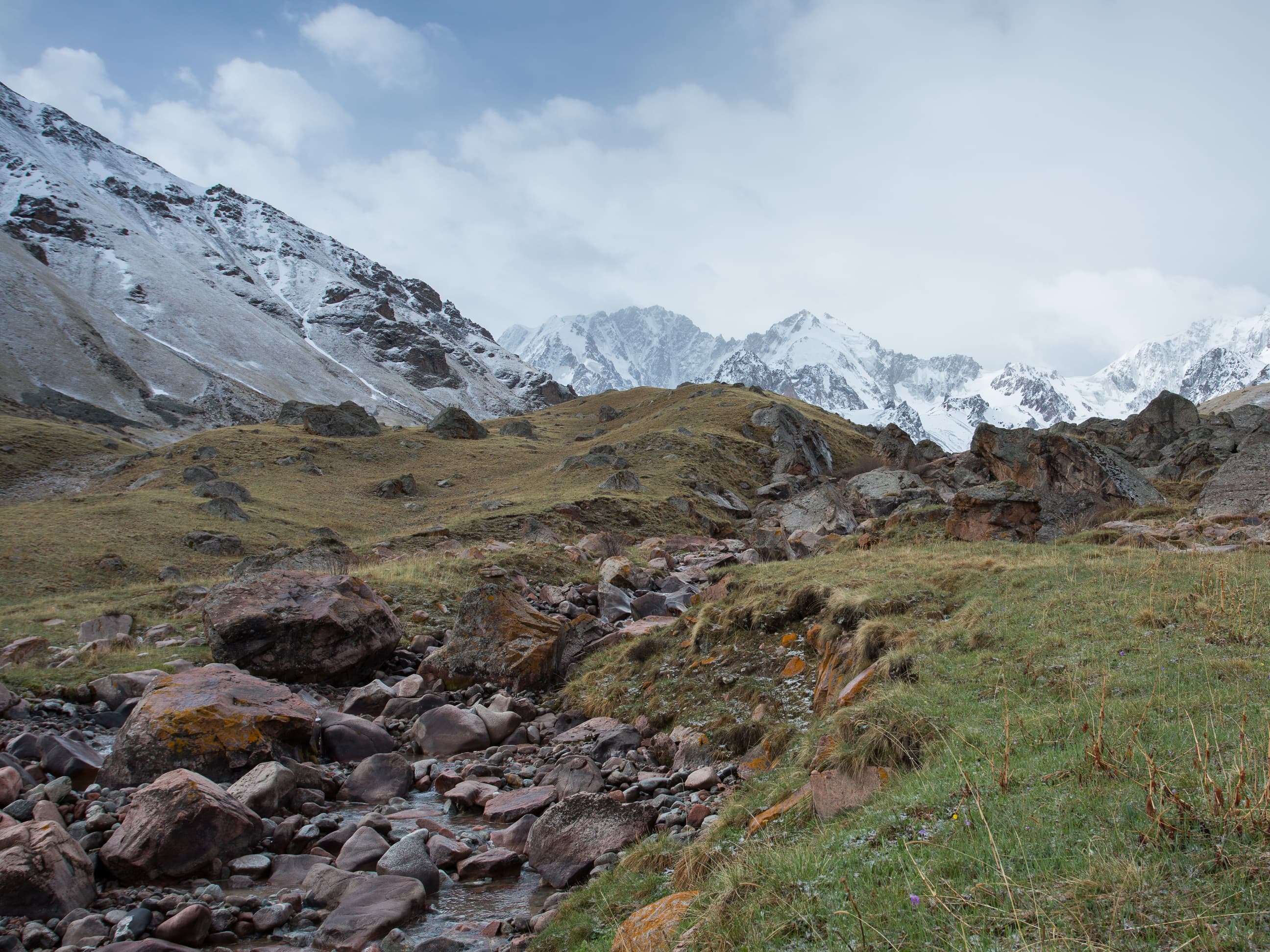
The widely diverse habitat types of Central Asia – ranging from ice-capped high mountains to hot sandy deserts – harbour a great number of unique species. The Tian Shan, or Heavenly Mountains, with their highly specialised fauna and flora are a global hotspot of biodiversity. NABU has been active on the ground since the 1990s to protect these threatened natural paradises. Beside species conservation projects targeting the likes of the snow leopard, saiga antelope, or striped hyena, the establishment of protected areas and the promotion of ecotourism have been cornerstones of NABU’s work in Central Asia. In this way, nature conservation also benefits local people.
The NABU Snow Leopard Award
The NABU Snow Leopard Award recognises people and organisations that have made an extraordinary contribution to the protection of the endangered big cat. In 2025, Tshiring Lhamu Lama from Nepal has received the award for her unwavering commitment to the protection of snow leopards and their habitat.
Southeast Asia
With four terrestrial biodiversity hotspots and the coral triangle as the epicentre of marine biodiversity, Southeast Asia is one of the most megadiverse regions in the world. Due to rapid economic development and steady population growth towards one billion people in the region, Southeast Asia's biodiversity faces multiple threats. At the same time, the region is particularly vulnerable to climate change and natural disasters. Since 2008, NABU is actively working on behalf of people and nature in the region. In Indonesia, NABU and its partners focus on protecting and restoring large rainforests in Sumatra, as well as coastal ecosystems like mangroves and coral reefs in Sulawesi. These are not only globally relevant climate change mitigation and adaptation measures, but also help to sustain and improve the livelihoods of local communities directly depending on these ecosystems.