The Kafa Biosphere Reserve in southwestern Ethiopia is one of the most biodiverse regions in the world. Here, NABU protects precious rainforest and a unique natural treasure: the origin and gene pool of Arabica coffee.
Overview: What is the Kafa Biosphere Reserve?
The Kafa Biosphere Reserve lies in the Kafa region of southwestern Ethiopia, around 460 kilometres from the capital, Addis Ababa. Spanning 760,000 hectares, it encompasses cloud forests, wetlands, rivers and tropical rainforests. As one of more than 30 global biodiversity hotspots, it is home to many rare species.
UNESCO designated the area as a biosphere reserve in 2010. In 2025, it marks its 15th anniversary. NABU, in partnership with local organisations, played a leading role in preparing and submitting the application through a public-private partnership (PPP). The recognition of Kafa was also the starting point for a new era of conservation in Ethiopia: since then, four more UNESCO biosphere reserves have been created in the country.
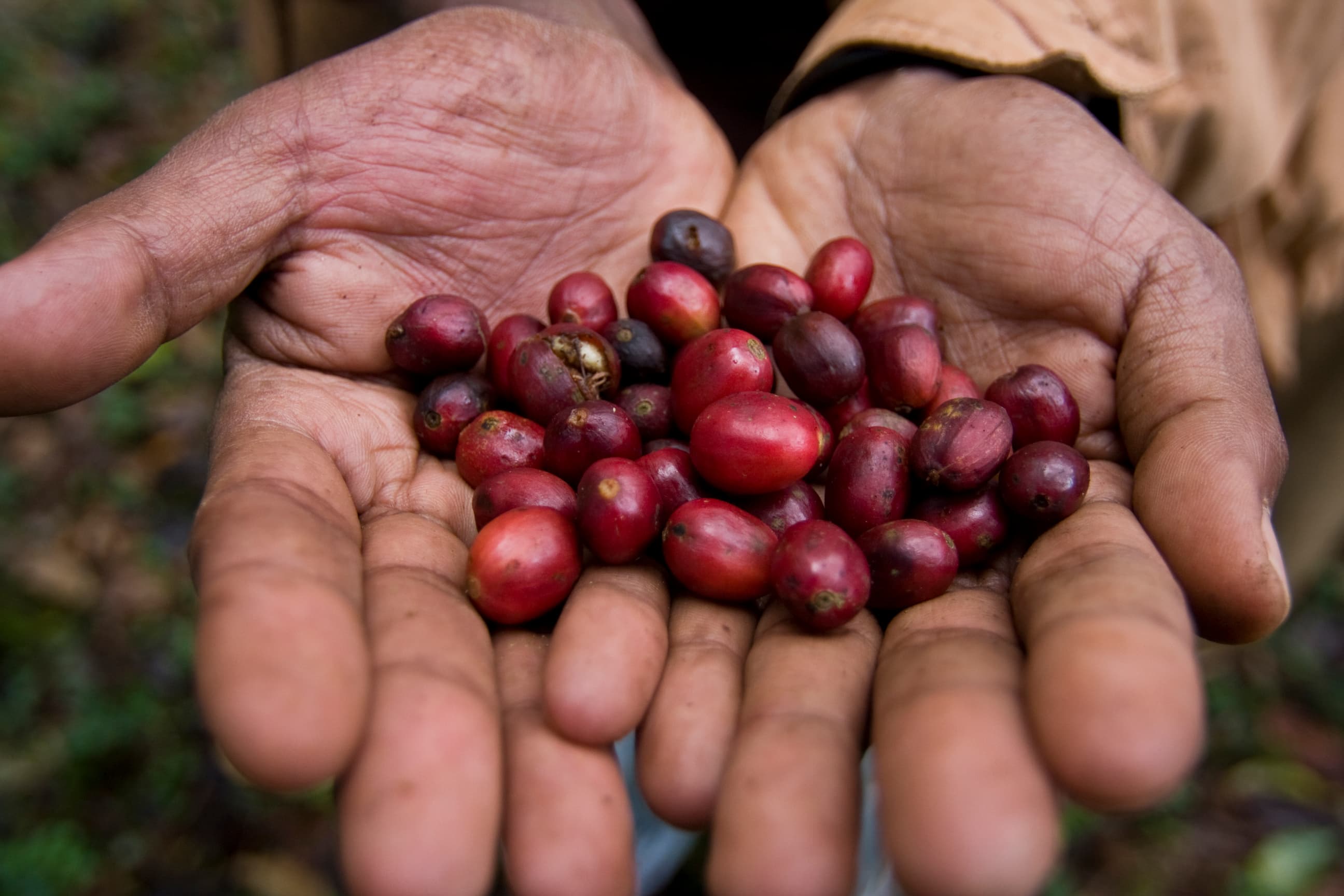
Biosphere reserves combine the full protection of nature with the sustainable use of resources by people. Local communities that depend on natural resources are actively involved: they produce sustainable products and support the management in ensuring that nature in selected parts of the reserve remains strictly protected.
In the southwestern region of Ethiopia, agriculture is the dominant sector of the economy. It accounts for around 40 per cent of regional GDP and provides employment for 80 per cent of the region’s roughly 700,000 inhabitants – most of them smallholder farmers. The region is regarded as the cradle of Arabica coffee (Coffea arabica), whose genetic origin plays a central role both economically and culturally.
Biodiversity
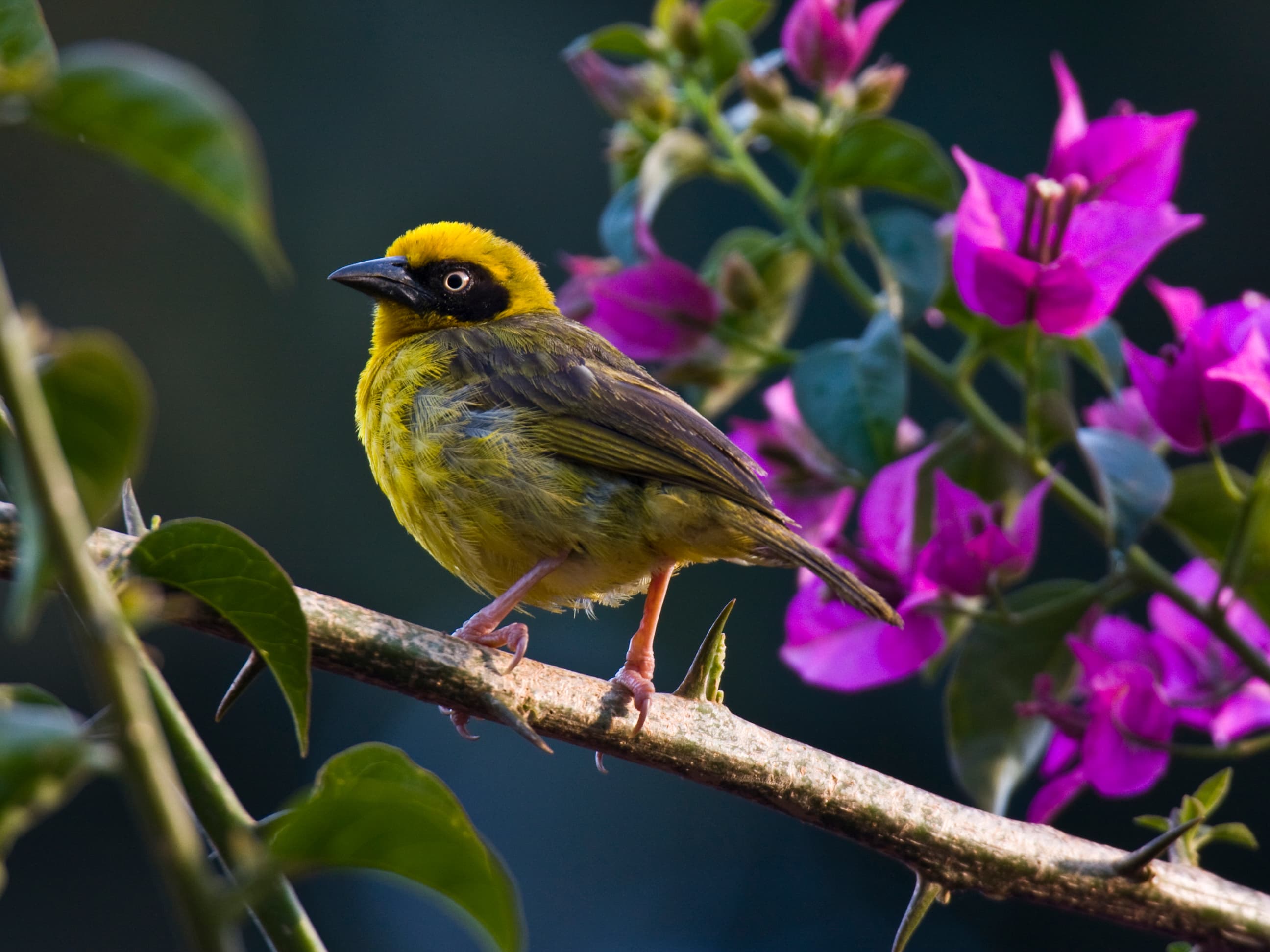
Kafa is home to around 300 bird species, 300 mammal species, 244 plant species and more than 110 tree and shrub species. Particularly remarkable are at least 25 endemic plants, such as Erythrina brucei and Hagenia abyssinica, as well as several threatened species.
- Among the birds are endemic or near-endemic species such as the Yellow-fronted Parrot, the Abyssinian Longclaw and the Cinnamon-breasted Bunting, as well as rare species including turacos, the Crowned Eagle and the Blue-spotted Wood Dove. The iconic Grey Crowned Crane, classified as globally threatened, also inhabits the Kafa Biosphere Reserve.
- Mammals recorded in Kafa include African buffalo, hippopotamuses, antelopes and large carnivores such as lions, leopards and hyenas. Several primate species, along with many endemic rodents and bats, also occur here.
- Around 17 amphibian and five reptile species are found in Kafa, including endemics such as Böhme’s Ethiopian Mountain Snake (Lycophidion boehmei) and a variety of non-venomous frogs.
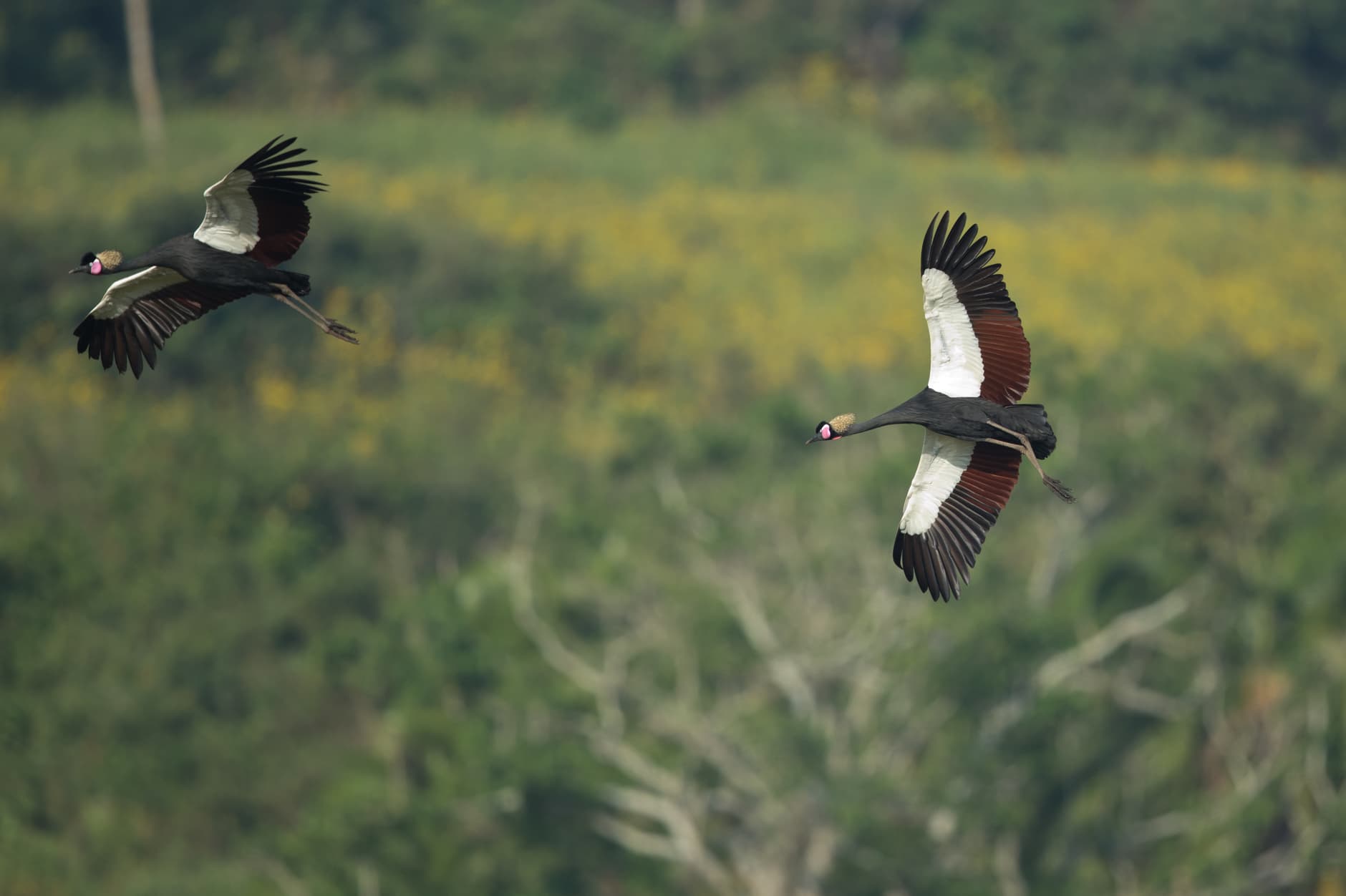
Two extensive biodiversity surveys in 2014 and 2019, involving more than 30 national and international experts, documented the remarkable species richness of the reserve. More than 50 species new to science were described, and many others were recorded in Ethiopia for the first time. Indicator species for different habitats were identified, and a digital monitoring system was introduced that is now also used in other Ethiopian protected areas.
The wetlands within Kafa, such as the Alemgono system, are important for species including cranes and herons. Studies confirm that Kafa has a high level of plant diversity (the so-called “Shannon index”), giving the area particular importance as a habitat for rare bird species compared with neighbouring reserves.
Climate significance
The Kafa region has been designated by Conservation International (CI) as part of the Eastern Afromontane Biodiversity Hotspot and by the Critical Ecosystem Partnership Fund (CEPF) as a Key Biodiversity Area. In addition, the Ethiopian government has declared it a Regional Forest Priority Area, giving it special status.
The forest areas were systematically surveyed in 2014: around 358,000 hectares of cloud forest and 17,000 hectares of bamboo forest. In addition, more than 5,000 hectares of wetlands are under protection. Before recognition, almost half of the forest area had already been lost. The carbon stored in the forest makes a valuable contribution to climate protection.
The biosphere concept initiated by NABU, combining sustainable land use with resilient management approaches, is a targeted response to the challenges facing the region. It harmonises the relationship between people and nature while creating sustainable sources of income.
Coffea arabica: Kafa's unique natural treasure
The Kafa region in Ethiopia is the natural origin of Arabica coffee: it is here that the plant Coffea arabica first evolved in the wild, grew and developed its genetic diversity over thousands of years.
In contrast to cultivated coffee, which is grown worldwide on plantations – for example in Brazil or Vietnam – Kafa is home to the wild, original coffee, thriving in its natural ecosystem: the cloud forest.
The significance of this unique genetic heritage
- The plants in Kafa possess exceptionally high genetic diversity.
- Some wild coffee plants there are more resilient to diseases, heat or drought, or have special flavours.
- This diversity has not been altered through breeding – making it a valuable genetic reserve for future cultivation.
Why is this of global importance?
- The global coffee market relies almost entirely on a few cultivated lines that are vulnerable to pests and climate change.
- Without genetic diversity from the wild form, future breeding could become impossible.
- Kafa therefore serves as a kind of insurance policy for the world’s coffee supply and for biodiversity.
UNESCO explicitly cited Kafa’s role as the “Origin and Center of Arabica Coffee” when designating it a biosphere reserve. The reserve is regarded as a global gene bank of more than 5,000 varieties and sub-varieties of Arabica coffee. NABU’s projects in the Kafa Biosphere Reserve, implemented together with local partners, represent sustainable, close-to-nature development of coffee from the region.
Achievements for people and nature in Kafa
We are proud to have achieved substantial progress together with partners and communities in Kafa on the path towards a harmonious coexistence of people and nature:
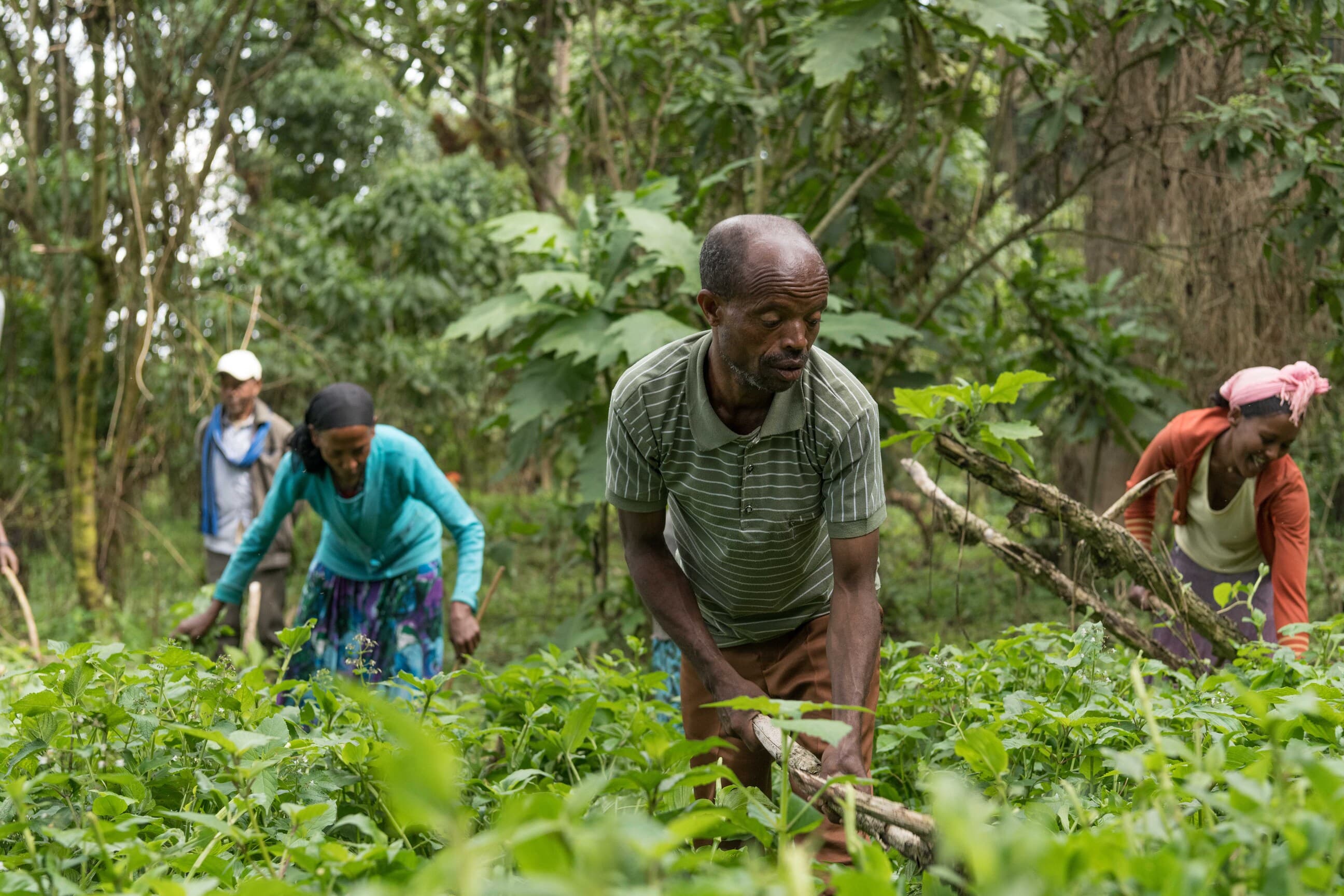
- Reforestation and forest protection: more than 2,000 hectares of degraded forest restored with over one million seedlings; in addition, 2,500 hectares of community forests planted with three million fast-growing trees for local timber needs.
- Energy-saving technologies: more than 12,000 stoves introduced.
- Community organisation: over 20 Participatory Forest Management (PFM) cooperatives now safeguard more than 16,000 hectares of forest. Altogether, 35 cooperatives with 20,000 members exist – mainly for coffee, honey and spices.
- Marketing: establishment of the Kafa Forest Coffee Union and the Kafa Forest Honey Union, which market products internationally.
- Wetland protection: more than 5,000 hectares of wetlands placed under sustainable community management.
- Tourism: development of visitor infrastructure, training of guides and cooperation with international tour operators.
- Education and knowledge transfer: biodiversity camps with more than 15,000 schoolchildren, development of textbooks and the opening of the information centre in Bonga.
Project history: NABU's work in the Kafa Biosphere Reserve
NABU’s involvement can be traced through four phases: