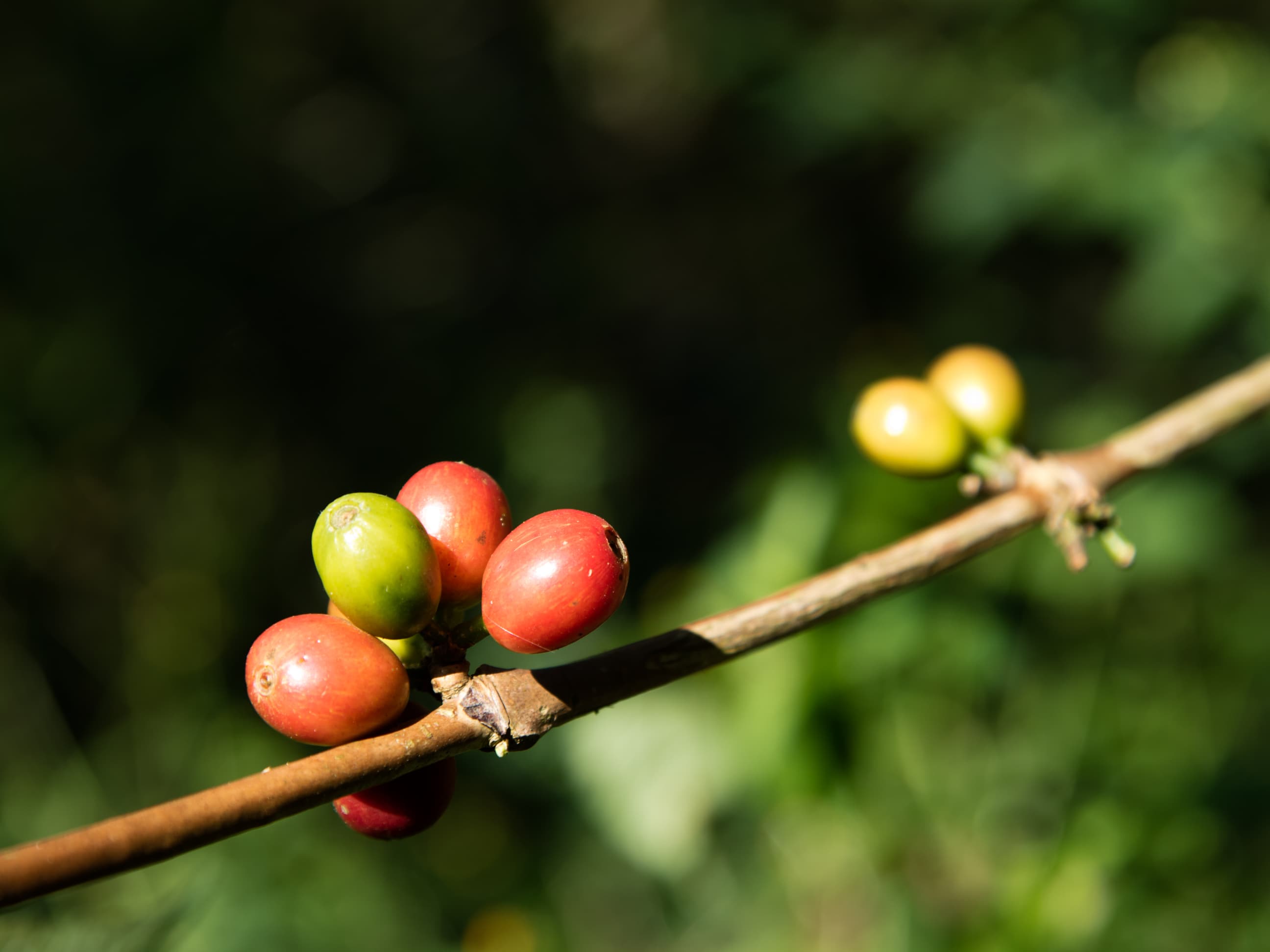
The Yayu Coffee Forest Biosphere Reserve in the southwest of Ethiopia was recognised by UNESCO in 2010. It protects significant areas of the Ethiopian Afro-montane rainforest, which also include one of the last wild populations of Arabica coffee (Coffea arabica).
The region encompasses forests, wetlands and numerous rivers, farmlands and pastures. The diverse ecosystems are home to abundant diversity of flora and fauna: Yayu is a biodiversity hotspot.
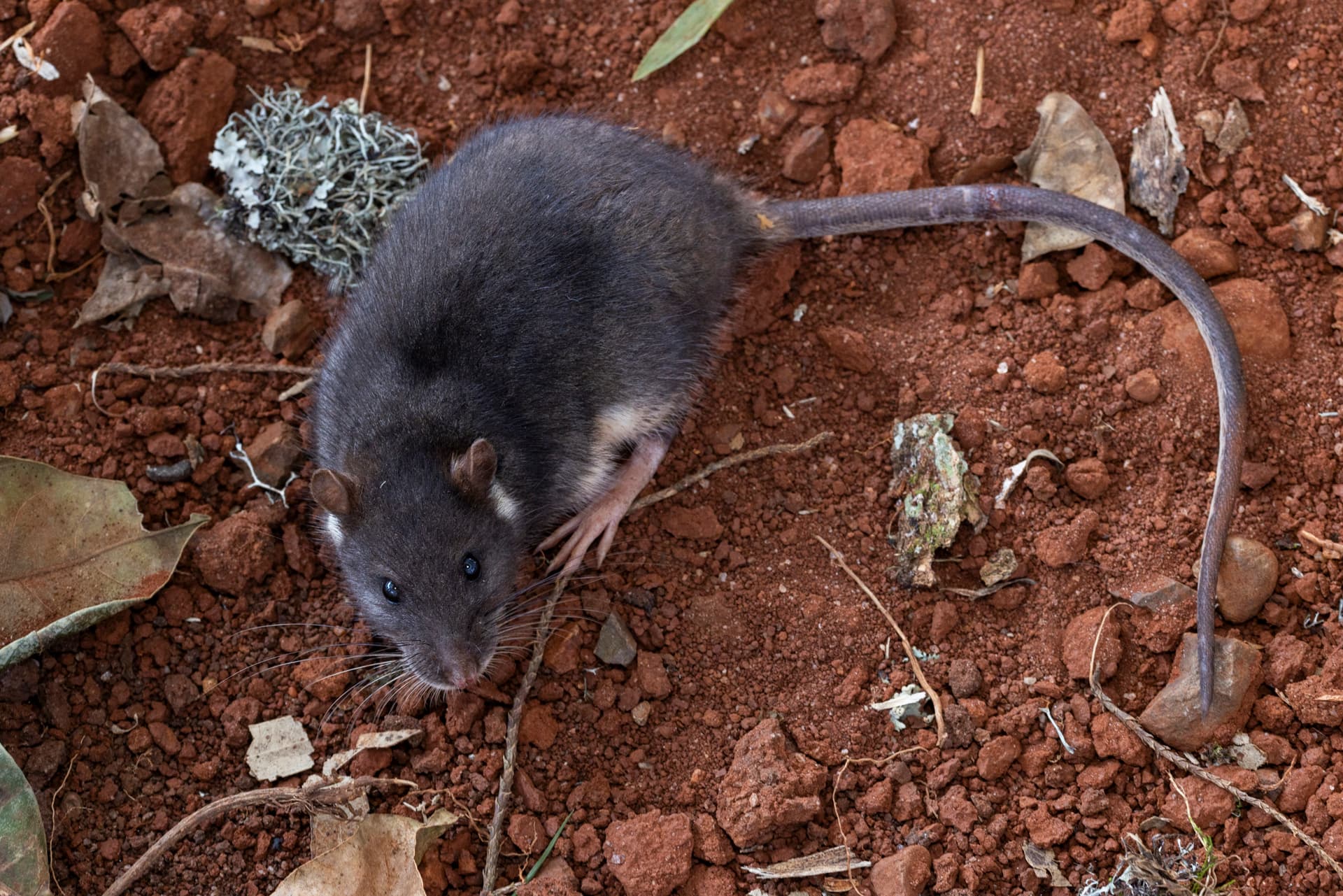
However, many species have not yet been systematically recorded. In autumn 2026, an extraordinary discovery was made in the area. As part of our Green Change project, a long-lost mammal has now been rediscovered: the Ethiopian water mouse!
More about the Ethiopian water mouse
It had been considered extinct since 1927, after only a single specimen had ever been scientifically documented. Now, researchers have rediscovered the Ethiopian water mouse (Nilopegamys plumbeus): this highly specialised small mammal is particularly well adapted to life on and in the water. The water mouse was found in October during a Biodiversity Assessment in the Yayu Biosphere Reserve in south-western Ethiopia: it was discovered by the scientist Dr Mengistu Wale.
The Ethiopian water mouse was first scientifically described in 1928 – on the basis of a single specimen: an adult male found by the American zoologist Wilfred Hudson Osgood in 1927 in a mountain stream in the Ethiopian highlands. Despite subsequent searches, no further sightings were made for decades. The International Union for Conservation of Nature (IUCN) therefore lists the species as critically endangered and possibly extinct. This makes the new discovery all the more remarkable: it was not made at the original site in the north-western Ethiopian highlands, but hundreds of kilometres further south in the Yayu Biosphere Reserve.
NABU initiated and coordinated the biodiversity assessment in the Yayu Biosphere Reserve as part of the Green Change project.
“With this rediscovery, we now have the chance to find out more about its ecology, its distribution and, ultimately, what is needed to protect the species and its habitat.”
Katharina Kühnert
Project Manager Green Change
To protect biodiversity in the Yayu Biosphere Reserve in the long term, NABU is working with the local population as part of the Green Change project. The local population earns the majority of its subsistence but also income from agriculture and forestry, for example through the cultivation of coffee, fruits and spices. The traditional extensive land use system of the area is under high demographic and climate-crisis related pressures.
The consequences are scarcity and overuse of natural resources, threatening the future of the biosphere reserve and livelihoods. Young people and women are especially impacted by these developments, as they have only limited opportunities of participation, low decision-making power and few options to engage in entrepreneurial activities.
In order to strengthen the resilience of people and nature against the forces of the climate crisis in the Yayu Coffee Forest Biosphere Reserve, the project conducts targeted activities to support:
- green entrepreneurship among women and young people
- the onpassing of traditional knowledge on resource use
- the cultivation and distribution of old, climate-resilient varities in home gardens
- agroforestry-based methods of cultivation
- the establishment and empowerment of women's groups in marketing of home garden products
The Yayu Coffee Forest Biosphere Reserve
The biosphere reserve stretches over 167,000 hectares and harbours one of the last intact afromontane rainforest areas, which serves as a refuge for a multitude of animal and plant species. Wild Arabica coffee also grows here, and secures the income of local communities. Due to its high ecological and cultural value, the region was designated in 2010 as a UNESCO Biosphere Reserve and placed under protection.
Project facts
Project title
Green Change - Women and Youth as key actors for socio-ecological change in the Yayu Coffee Forest Biosphere Reserve
Country / region
Ethiopia, Oromia – Yayu Coffee Forest Biosphere Reserve
Period
February 2024 - June 2027
Partner organisation
NABU Ethiopia
Financed / supported by
Federal Ministry for Economic Cooperation and Development (BMZ)
The Nature And Biodiversity Conservation Union (NABU)
With this project we are contributing to the following Sustainable Development Goals (“SDGs”) of the United Nations:
1, 2, 5, 12, 15, 16